
Proper Temple Visit Manners and Rules
People who like temples, and even people who do not care much about them, still often have chances to visit a temple.
The basic way is to put in an offering and give a bow, but there are also many small rules and manners.
Since you are going to a temple, why not try to pray in the proper, formal way?
In this article, we introduce common manners and points to watch out for, from the moment you enter the temple grounds until you leave.
However, please do not forget: detailed manners are important, but the most important thing is your sincere heart when you pray.
Temple Visit Manners
Here we explain the usual way to visit a temple. The way of visiting can be different depending on the temple and on the Buddhist school. For shrines, many manners are not the same, so please be careful.
Order of the visit
Bow at the entrance to the temple grounds
The land of the temple is called the “grounds.” Your visit starts from the moment you enter the grounds.
At the entrance to the grounds, there is usually a main gate (called “sanmon”). This gate is the border between the normal world and the sacred place. When you reach this entrance, fix your clothes and appearance, put your hands together, and make a small bow. If you are wearing a hat, take it off.
At large temples, there are many gates besides the main gate at the entrance to the grounds. Each time you pass through a gate, you should make a small bow.
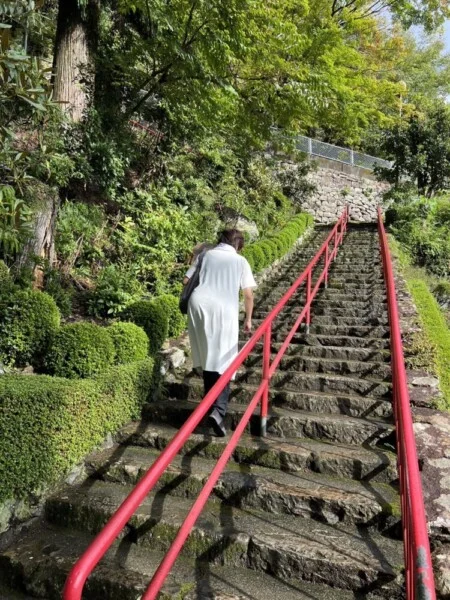
Inside the temple grounds, the basic rule is to walk on the left side of the path.
Please be careful to keep to the left especially when going up and down stairs.
However, in some places, because of the walking route, you may be told to walk on the right side. In that case, follow the signs and rules shown on the paths and stairs.
Also, remember to be kind and give way to others, so that everyone can enjoy a calm and pleasant temple visit.
Manners at the water basin
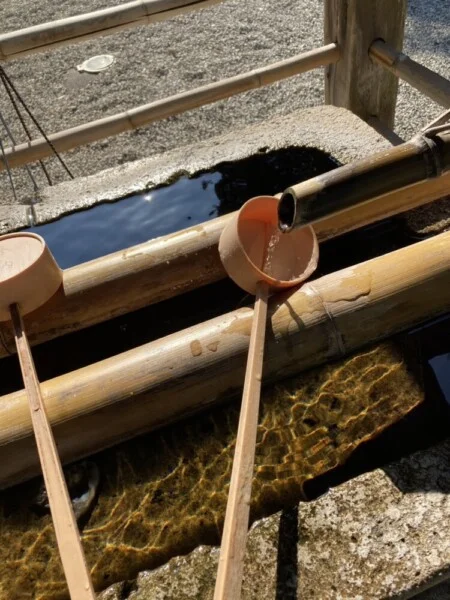
First, you use the water for chōzu (purification).
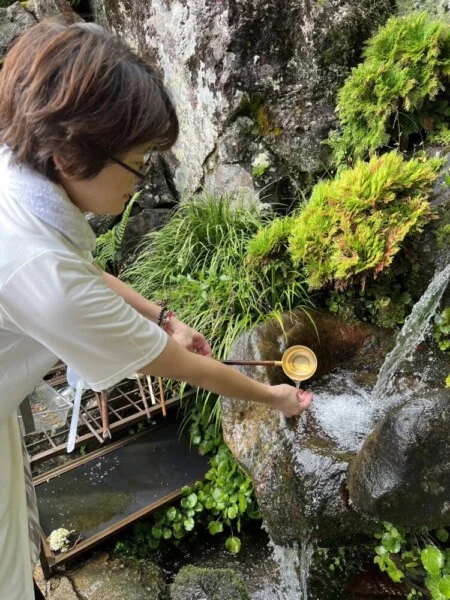
After you enter the temple grounds, you will usually see a small building with water. This is called the chōzuya, where you wash.
At the chōzuya, you wash your hands and rinse your mouth. This is a way to purify your body and mind before you pray.
Steps for using the water basin
The steps for chōzu (purification with water) are:
- Hold the ladle in your right hand, take some water, and pour it over your left hand to clean it.
- Change the ladle to your left hand, and pour water over your right hand to clean it.
- Hold the ladle again in your right hand. Let water fall into your left hand, and use that water in your left hand to rinse your mouth. Never put the ladle directly on your mouth. Because many people may have touched the ladle and water, if you feel worried, it is fine to only pretend to rinse your mouth without putting water in your mouth.
- After that, wash your left hand once more.
- Then hold the ladle straight up, so the remaining water runs down from the scoop to the handle. This also cleans the handle. After that, put the ladle back.
These manners are the same not only in temples but also at shrines.
Once you get used to it, you can do steps 1–5 smoothly in one flow.
Order of the visit
First, go to the Main Hall
In a big temple, there are many different halls inside the grounds.
If there is no special “route” or “course” written, you may not know where to pray first. In that case, it is normal to go to the Main Hall first.
People usually think that the first one you should visit is the “principal image”.
The Saigoku 33 Temples Pilgrimage is a pilgrimage to Kannon. So, in most temples, you first go to the Main Hall and pray to Kannon there (there are some exceptions).
The Shikoku 88 Temples Pilgrimage is a journey to meet Kobo Daishi. The usual order is:
first, go to the Main Hall and pray to the principal image (it is not always Kannon),
then go to the Daishi Hall and pray to Kobo Daishi.
Follow the set visiting route
In large temples or mountain temples, there is often a fixed “visiting route” shown on signs or maps.
In many cases, this is only a recommended route. Even if you visit in a different order, it is usually not a problem.
But if you have enough time, it is better to follow the route that the temple suggests.
The visiting route is decided based on the temple’s history and story, or made so that people can walk in a smooth and efficient way.
Paying respect to the principal image
ritual bowing
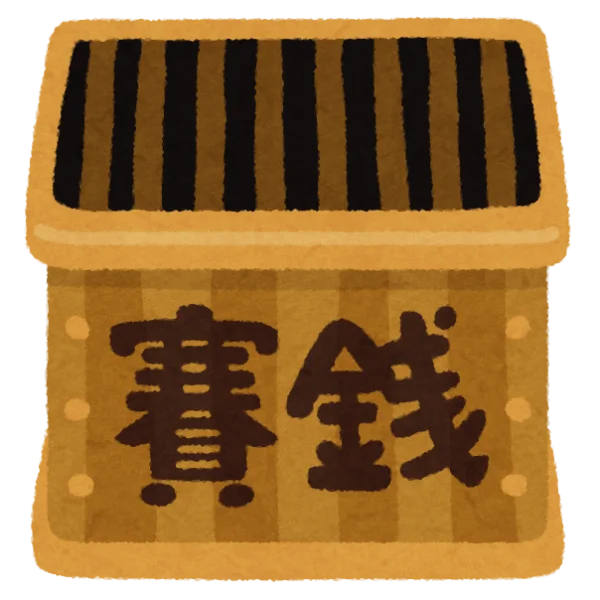
First, ring the big bell or gong, and then gently put your offering money into the offering box.
If someone is chanting sutras nearby, please do not ring the bell or gong, so you do not disturb them.
Put the offering in softly. Do not throw the coins.
Stand in front of the principal image, put your hands together, and quietly pray.
Then make three bows, or one bow.
This is the most important part of your visit, so pray with a calm and sincere heart.
The “two bows, two claps, one bow” style is for shrines, not for temples, so please do not mix them up.
Leaving the temple
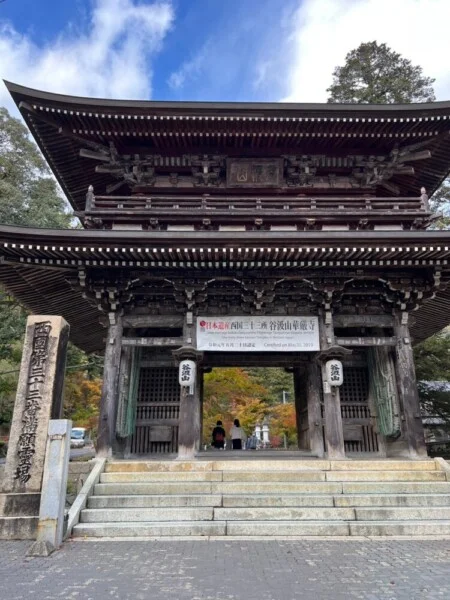
After you finish visiting the halls in the order of the route, you go out through the main gate.
At the gate, turn toward the Main Hall where the principal image is, put your hands together, make one more small bow, and then leave the temple.
A Wide Range of MK Travel Tours
MK Travel offers a diverse array of tour options—click the link to check them out!
